

 800-667-9189

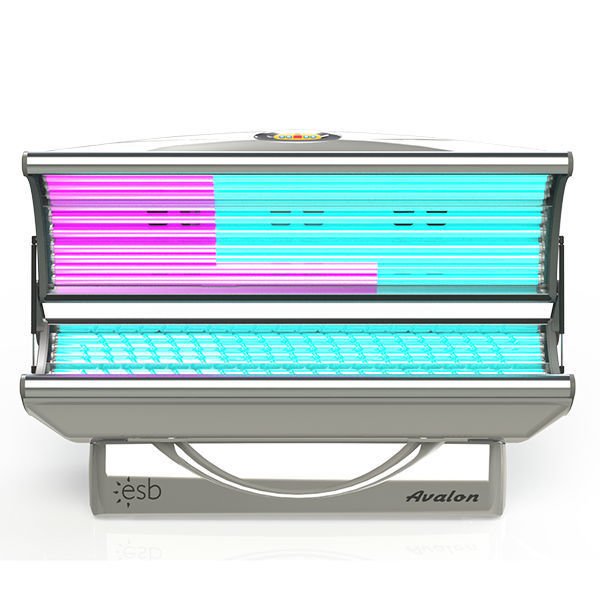
When choosing or maintaining a tanning bed, the main difference between acrylic and glass tanning bed systems comes down to safety, durability, and overall performance. Acrylic is generally considered the safer and more practical option because it is lightweight, impact-resistant, and designed specifically for tanning bed use, while glass is heavier and more likely to break under stress.
Both materials can work in tanning equipment, but they behave very differently in real salon conditions, especially when it comes to heat resistance and long-term maintenance. At Sunal Parts, we help salon owners and technicians make the right choice by providing high-quality tanning bed acrylic and replacement parts designed for safety, durability, and reliable performance.
What is Tanning Bed Acrylic vs Glass?
- Acrylic: A tanning bed acrylic is a specially designed transparent sheet used in modern tanning beds. It is lightweight, flexible, and highly impact-resistant, allowing safe and even UV light transmission while protecting the user. It is commonly used in salons because it is durable, easy to handle, and suitable for daily commercial use.
- Glass: Glass is a traditional material used in some older or specialized tanning beds. It is rigid and heat-resistant, but much heavier and more fragile compared to acrylic. Although it allows UV light to pass through, it is less commonly used today due to safety risks and difficult handling in salon environments.
Acrylic vs Glass – Real Performance Comparison
When it comes to tanning bed equipment, choosing the right surface material plays a major role in safety, performance, and long-term maintenance. Between acrylic and glass, acrylic is widely preferred in modern tanning systems because it is specially designed for tanning environments. It offers a better balance of safety, durability, and usability, making it a more practical option for salon owners and technicians.
1. Safety and Durability
Acrylic: Acrylic is highly impact-resistant and flexible, which makes it much safer in busy salon environments. It does not shatter into sharp pieces if it gets damaged, reducing the risk of injury for both clients and staff. Even under regular pressure and usage, it maintains its structure better and is widely used in modern tanning beds for safety reasons.
Glass: Glass is strong in terms of hardness, but it is very fragile under impact. Even a small force or accidental pressure can cause it to crack or shatter into sharp fragments. This makes it less suitable for commercial tanning salons where equipment is used frequently and safety is a top priority.
2. Weight and Handling
Acrylic: Acrylic is lightweight, which makes it easy to install, remove, and replace during maintenance. Technicians can handle it without heavy lifting, which reduces installation time and effort. This also lowers the risk of accidental damage during servicing.
Glass: Glass is significantly heavier, which makes it difficult to handle during installation or replacement. It often requires more manpower and careful handling, increasing both labor effort and risk during maintenance work.
3. UV Light Performance
Acrylic: Acrylic is specially designed for tanning bed applications. It allows UV light to pass through evenly, ensuring consistent tanning results across the body. This helps avoid patchy tanning and improves overall user experience.
Glass: Glass can transmit UV light, but it is not always engineered specifically for tanning systems. Depending on its type and thickness, UV distribution may not be as optimized, which can sometimes lead to less consistent tanning results.
4. Heat Resistance
Acrylic: Modern tanning bed acrylics are designed to withstand normal operating temperatures of tanning beds. When used properly, they maintain stability and performance without warping or losing clarity quickly.
Glass: Glass naturally has strong heat resistance and can handle high temperatures well. However, its brittleness still makes it risky in real salon environments where impact and pressure are common.
5. Cost and Maintenance
Acrylic: Acrylic is more cost-effective and easier to maintain. It is simple to clean, replace, and manage, making it ideal for salon owners who want low maintenance and long-term efficiency. Replacement costs are also generally lower compared to glass.
Glass: Glass is more expensive and harder to manage during maintenance or replacement. Its weight and fragility increase handling difficulty and overall maintenance cost for salon operations.
6. Acrylic Glass vs Plexiglass – Are They the Same?
Acrylic Glass: Acrylic glass is a transparent plastic sheet widely used in tanning beds. It is strong, lightweight, and designed to safely transmit UV light while protecting users. It is the standard material used in modern tanning equipment.
Plexiglass: Plexiglass is actually a brand name for acrylic material. It has the same properties as standard acrylic sheets, including durability, clarity, and impact resistance. There is no functional difference between plexiglass and acrylic; they are essentially the same material used under different names.
Why Acrylic Is the Industry Standard
Most modern tanning beds now use acrylic because it offers the best balance of:
- User safety
- Easy maintenance
- Lightweight handling
- Consistent UV performance
- Commercial durability
This is why salon owners prefer acrylic over glass for daily business operations.
Glass vs Acrylic: Which is Better for Tanning Beds?
When comparing glass vs acrylic, acrylic is widely preferred in modern tanning beds due to its safety, flexibility, and ease of maintenance. Glass may still be used in some systems, but it is less common in commercial salon environments today.
Why Most Modern Tanning Beds Use Acrylic
Today, most professional tanning beds rely on acrylic because it offers:
- Better safety for clients
- Easier maintenance for salon owners
- Lightweight structure for quick replacement
- Optimized UV light distribution
This makes acrylic the industry standard in most modern tanning equipment.
FAQs:
1. Is acrylic more expensive than glass?
No, acrylic is generally more cost-effective and easier to replace compared to glass, which is more expensive and harder to handle.
2. What is the lifespan of tanning bed acrylic?
With proper maintenance and cleaning, high-quality acrylic can last a long time, depending on usage frequency and care.
3. Are acrylic and plexiglass the same thing?
Yes, plexiglass is a brand name for acrylic. Both refer to the same material with similar properties.
4. Can a cracked acrylic be repaired?
No, cracked acrylic should always be replaced, as repair does not restore its original strength or safety.
5. Which is better for commercial tanning salons – acrylic or glass?
Acrylic is the better choice for commercial use due to its safety, durability, easy maintenance, and reliable performance.
Making the Right Decision
Choosing between acrylic and glass depends on safety, maintenance, and performance needs. However, in most cases, acrylic is the preferred option due to its durability and practicality in commercial tanning environments. If you are maintaining or upgrading your tanning equipment, always consider high-quality acrylic parts for better safety and long-term performance.
Upgrade your salon with premium tanning bed acrylic from Sunal Parts for maximum safety, durability, and performance.