

 800-667-9189

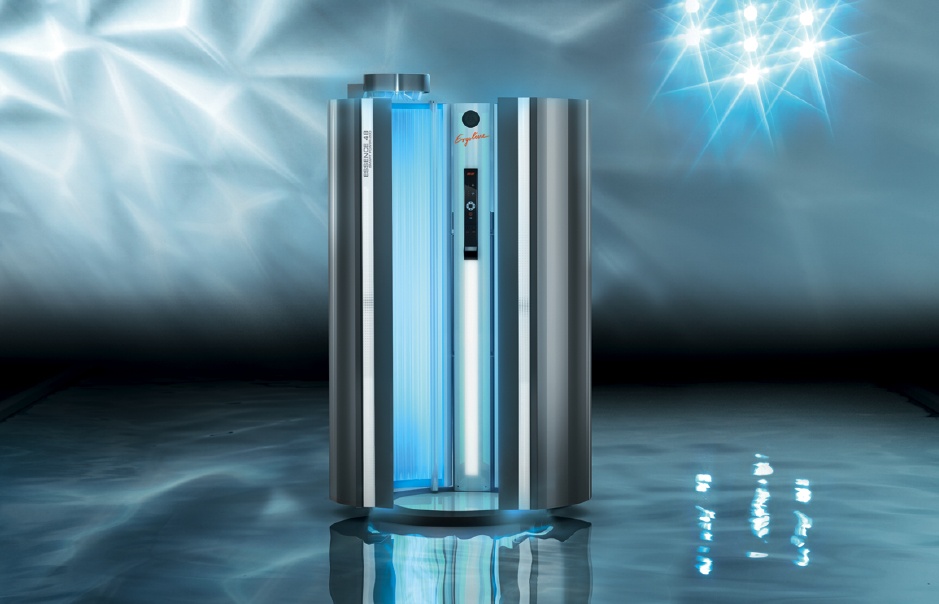
Tanning bulbs are special UV light bulbs used inside tanning beds that help the skin produce melanin, which is the natural pigment responsible for giving the skin a darker, tanned look. In simple words, tanning bulbs work by creating controlled ultraviolet light that slowly develops a tan when the skin is exposed to it in a safe and timed way.
At Sunal Parts, we provide high-quality tanning bed lighting solutions, including reliable options for both tanning light bulbs and sun tanning lights, designed to deliver consistent performance and long-lasting use. These lighting products are selected to support stable UV output so tanning beds can work efficiently without uneven results. In addition, we focus on durability and safety standards, so users and salon owners can get better control over tanning sessions while reducing the need for frequent replacements.
Inside the Tanning Process
Tanning is a natural or controlled process in which the skin becomes darker after exposure to ultraviolet (UV) light. When the skin absorbs UV rays, it produces more melanin, the pigment responsible for skin color. As a result, the skin tone gradually becomes darker and develops a tan. This process can occur naturally under sunlight or through controlled devices like tanning beds that emit artificial UV light.
Types of Tanning Bed Light Bulbs
Tanning bed bulbs are physical products used inside tanning beds, and they come in different categories based on design, strength, and usage. These types decide how long the bulb lasts and how it performs in a tanning machine.
1. Low-Pressure Tanning Bulbs
Low-pressure bulbs are standard tanning bulbs that give a balanced and gentle UV output. They work slowly but evenly, so they are commonly used for regular salon tanning sessions.
2. High-Pressure Tanning Bulbs
High-pressure bulbs produce stronger UV intensity and give faster tanning results in a shorter time. They are usually used in professional tanning beds for advanced users.
3. Hybrid / Combination Bulbs
Hybrid bulbs combine features of both low-pressure and high-pressure systems. As a result, they provide a balanced tanning effect with both speed and smooth coverage.
4. Replacement Tanning Bulbs
Replacement bulbs are used when old bulbs lose strength or stop working. Installing new bulbs helps maintain the tanning bed’s performance and ensures even UV output.
UV Lighting Types in Tanning Beds (UVA & UVB)
Tanning beds also operate on different types of UV light, which control how the skin reacts during tanning. These are not bulb products but the type of light produced by the bulbs.
1. UVA Light
UVA light penetrates deeper into the skin and helps create a faster and darker tan. It mainly affects the skin’s inner layers and is responsible for visible tanning results.
2. UVB Light
UVB light works on the outer skin layer and starts the tanning process. It is stronger in effect but is controlled carefully to avoid overexposure or burning.
3. Balanced UVA/UVB Output
Most modern tanning beds use a balanced mix of UVA and UVB light. This combination helps achieve a natural-looking tan that develops evenly and lasts longer.
Understanding the Role of Bulbs in Tanning Beds
Tanning bed bulbs create controlled UV light that helps the skin produce melanin and develop a tan in a safe and even way.
- UV Light Emission: Tanning bulbs produce UV light that triggers melanin production, which gives the skin a tanned look. This is their main function.
- Mimic Natural Sunlight: These bulbs copy sunlight, so users can tan indoors without depending on weather conditions.
- Year-Round Tanning: Tanning beds work in all seasons, so users can maintain their skin tone anytime during the year.
- UVA and UVB Balance: Bulbs release controlled UVA and UVB rays that decide how fast and deep the tan develops.
- Controlled Exposure: Tanning beds manage UV output and timing, which helps users get even results safely.
- Built-in Safety Features: Timers and sensors limit exposure time to prevent overuse and reduce skin risk.
How Do Tanning Bulbs Work?
Tanning bulbs create controlled UV light that helps the skin produce a tan in a planned and even way. Unlike natural sunlight, a tanning bed controls intensity, timing, and exposure. Therefore, the whole process becomes more predictable and safer when used correctly.
1. UV Light Generation Process
Tanning bulbs produce ultraviolet (UV) rays when electricity passes through them. These rays are designed to mimic sunlight but in a controlled indoor system. As a result, the light spreads evenly across the body inside the tanning bed.
2. Light Distribution in Tanning Beds
Inside the tanning bed, bulbs are placed in a way that UV light covers the body from different angles. Because of this setup, the skin receives balanced exposure instead of uneven patches.
3. Skin Penetration of UV Rays
When UV rays hit the skin, they pass through the outer layer and reach deeper skin cells. This triggers natural reactions inside the skin. Therefore, tanning does not happen instantly but starts as a biological response.
4. Melanin Production Activation
After UV exposure, the skin increases melanin production. Melanin is the pigment responsible for skin color. As melanin levels rise, the skin gradually becomes darker and starts showing a tan.
5. Role of Time and Exposure Control
Tanning beds control how long the UV light stays on. Because of this timing system, users can manage exposure safely. In addition, proper timing helps prevent overexposure and uneven tanning.
6. Gradual Tanning Development
Tanning is not a one-time result. Instead, it builds step by step with repeated sessions. Therefore, consistent and controlled exposure leads to a more natural and even tan.
7. Importance of Bulb Strength and Quality
The strength and quality of tanning bulbs directly affect the tanning result. Strong and well-maintained bulbs give more consistent UV output. As a result, the tanning process stays smooth and predictable over time.
Proper Installation and Placement of Tanning Bed Bulbs
Tanning bulbs are carefully installed inside a tanning bed in a fixed layout so they can distribute UV light evenly across the body. Each bulb is placed in specific slots to ensure proper alignment and balanced tanning results.
- Proper Placement: Bulbs are fitted in designated holders inside the tanning bed to make sure UV light spreads evenly on all sides.
- Secure Fitting: Each bulb is tightly installed so it stays stable during operation and does not shift while the machine is running.
- Even Light Distribution: Correct installation helps the tanning bed deliver uniform UV exposure, which prevents patchy tanning.
- Electrical Connection: Bulbs are connected to the tanning system’s power setup, allowing them to activate safely and consistently.
- Regular Replacement: Over time, old bulbs are replaced with new tanning bed bulbs to maintain performance and tanning quality.
The Science Behind Tanning Bed Bulbs
Tanning bed bulbs work on a natural biological process where the skin reacts to UV (ultraviolet) radiation by producing melanin. When UV rays enter the skin, the body increases melanin production as a protective response, and this is what creates the tanned appearance over time. In addition, melanin helps absorb and disperse UV rays, which reduces skin damage while also changing skin color.
UVA and UVB rays both play different roles in this process. UVA rays penetrate deeper into the skin and help develop a faster and darker tan, while UVB rays work on the upper skin layer and start the tanning process, but can also cause burning if exposure is too strong. Therefore, a well-designed tanning bed bulb uses a balanced mix of both UVA and UVB wavelengths. As a result, users get a more even, longer-lasting tan while reducing unnecessary risks when exposure is controlled properly.
The Relationship Between Bulb Intensity and Tanning Results
Bulb intensity directly affects how fast and deeply the skin tans. Higher intensity tanning bulbs give quicker results, but they need controlled exposure to avoid uneven tanning. In contrast, lower intensity bulbs work slowly but create a more natural and even tan. Therefore, the right balance of intensity and timing is important for safe and effective tanning.
FAQs:
1. Are tanning bed bulbs the same as sunlight?
No, tanning bed bulbs produce controlled UV light indoors, while sunlight is natural and less predictable in intensity and exposure.
2. What is the difference between UVA and UVB in tanning bulbs?
UVA rays help create a deeper and faster tan, while UVB rays start the tanning process and affect the skin’s upper layer.
3. How long do tanning bulbs last?
Tanning bulbs usually last for a fixed number of operating hours, depending on their type, quality, and usage frequency.
4. When should tanning bed bulbs be replaced?
They should be replaced when tanning results become weak, uneven, or when they reach their recommended usage hours.
5. Do all tanning bulbs work the same way?
No, different bulbs like low-pressure, high-pressure, and hybrid types produce different UV outputs and tanning results.
Ready for a Safer, Better Tan Experience
Tanning bulbs are more than just light sources; they directly control how your skin tans, how even the results look, and how safe the whole process is. When you choose the right bulbs and understand their function, you get better control over intensity, timing, and final tanning results. This helps you achieve a smooth, natural-looking tan with less risk and more consistency every time.
Explore premium tanning bed bulbs at Sunal Parts for reliable and professional results.