

 800-667-9189

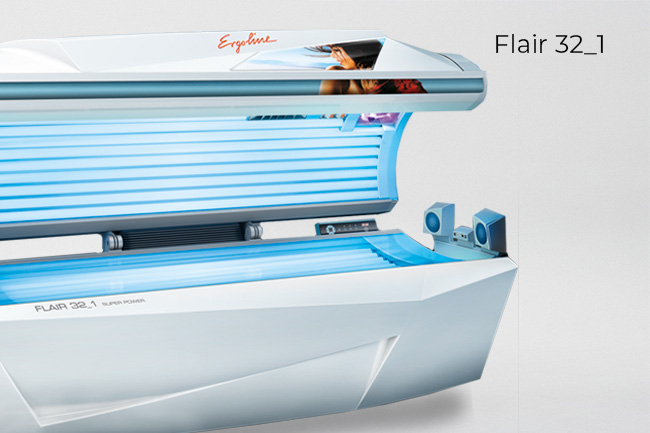
A cracked tanning bed acrylic is not safe to use under any circumstances. The acrylic sheet is designed to protect users from direct contact with UV lamps and to ensure even light distribution across the body. When it gets cracked, its structural strength is compromised, which can lead to uneven tanning results, increased risk of injury, and potential exposure to harmful UV rays.
Even a small crack can quickly spread due to heat and pressure during regular use, making the situation more dangerous over time. At Sunal Parts, we understand how important safety and performance are for tanning bed owners and technicians. That’s why we provide high-quality replacement acrylics and tanning bed parts designed to maintain the safety standards and efficiency of your equipment.
What Does the Tanning Bed Acrylic Do?
Before understanding the risk, it’s important to know its role:
- Protects the user from direct contact with UV lamps
- Ensures even distribution of UV rays
- Prevents dust, sweat, and debris from damaging internal components
- Maintains proper airflow and cooling balance inside the bed
Without a properly functioning acrylic, the tanning bed cannot operate safely or efficiently.
Common Reasons Why a Cracked Acrylic Is Dangerous
A cracked acrylic may look like a minor issue, but it can create serious problems in tanning bed safety, performance, and long-term equipment health.
1. Risk of Physical Injury
Acrylic can weaken further under pressure. If a client lies down on a damaged surface, it may bend, collapse, or splinter, leading to cuts or serious injury.
2. Uneven UV Exposure
Cracks interfere with how UV light passes through the surface. This can cause:
- Uneven tanning results
- Overexposure in certain areas
- Patchy or inconsistent skin tone
- Possible skin irritation or burns
3. Reduced Protection from UV Rays
A damaged acrylic may not properly filter or distribute UV rays, increasing the risk of direct exposure to sensitive areas of the skin and eyes.
4. Damage to Internal Components
Cracks allow dust, moisture, and sweat to enter the tanning bed system, which can damage internal parts such as:
- Lamps
- Reflectors
- Electrical wiring and components
This can lead to expensive repairs and reduced machine life.
5. Professional Liability Risk
For salon owners, using damaged equipment can result in:
- Customer complaints
- Negative reviews
- Loss of business reputation
- Legal liability in case of injury
6. Structural Weakness Spreads Quickly
Once an acrylic starts cracking, the damage tends to expand due to heat and pressure during regular use, making the situation worse over time.
7. Increased Maintenance Costs
Continuing to use a cracked acrylic can indirectly damage other parts of the tanning bed, increasing overall maintenance and replacement costs.
8. Safety Compliance Issues
Using damaged equipment may violate salon safety standards or manufacturer guidelines, putting business compliance at risk.
9. Poor Customer Experience
Clients may feel unsafe or uncomfortable using visibly damaged equipment, which directly affects satisfaction and repeat business.
10. Risk of Sudden Failure During Use
A cracked acrylic can fail without warning during operation, creating an unsafe situation for both the client and the equipment.
Can a Small Crack Be Ignored?
A small crack in a tanning bed acrylic should never be ignored, as it is an early warning sign of structural weakness. Although it may appear harmless at first, acrylic material is constantly exposed to heat, pressure, and regular usage stress during tanning sessions.
Once a crack begins to form, the material starts losing its strength, and what seems minor today can quickly expand into a larger, more dangerous break during operation, increasing the risk of safety issues and equipment damage.
What Should You Do Instead?
If you notice a cracked acrylic, it is important to take immediate and proper action to ensure safety, protect your equipment, and maintain professional standards. Ignoring the issue or continuing to use the tanning bed can lead to serious risks for both clients and the machine itself.
Stop Using the Bed Immediately
As soon as you notice any crack in the acrylic, the first and most important step is to stop using the tanning bed right away. Even if the crack seems small or harmless, the acrylic is already weakened and can fail unexpectedly during operation.
Allowing customers to use the bed in this condition increases the risk of injury, uneven tanning results, and further damage to internal components. The equipment should remain out of service until the issue is properly resolved.
Inspect the Damage
After stopping usage, carefully inspect the acrylic to understand the extent of the damage. It is important to determine whether the crack is only on the surface or if it has spread deeper into the material. Check the entire sheet for signs of bending, stress lines, or weakening around the cracked area.
Also, look for any sharp edges or fragments that may pose a safety risk. This inspection helps you decide how urgently replacement is needed, although in most cases, replacement is the safest option regardless of crack size.
Replace with a New Acrylic Sheet
The most reliable solution for a cracked acrylic is full replacement. Repairing or patching is not recommended because it does not restore the original strength or safety standards of the material.
Always choose a high-quality acrylic sheet that is specifically designed for your tanning bed model to ensure proper fit, durability, and UV protection. A good replacement not only restores safety but also improves tanning performance and extends the life of the equipment.
Regular Maintenance
To prevent future cracks and extend the life of your tanning bed acrylic, regular maintenance is essential. The acrylic should be cleaned frequently using approved, non-abrasive cleaning products that do not damage the surface.
Excess pressure or heavy weight should be avoided during use, as this can weaken the material over time. Routine inspections should also be carried out to identify early signs of wear, stress, or minor damage before they turn into serious cracks.
How to Prevent Acrylic Cracking
Prevention is always better than repair:
- Do not place heavy objects on the bed
- Keep the temperature within the recommended range
- Use only manufacturer-approved cleaning products
- Schedule regular maintenance checks
FAQs:
1. How can I prevent acrylic cracking?
Avoid excessive pressure, use proper cleaning materials, and perform regular maintenance checks to detect early damage.
2. Does a cracked acrylic affect tanning results?
Yes, it can cause uneven UV distribution, leading to patchy or inconsistent tanning results.
3. Are all tanning bed acrylics the same?
No, acrylics vary depending on tanning bed model and specifications, so always use a compatible replacement.
4. How do I know if my acrylic needs replacement?
If you notice cracks, bending, discoloration, or weak spots, it is time to replace the acrylic immediately.
5. Where can I get quality replacement acrylics?
You can get reliable and durable tanning bed acrylic replacements from Sunal Parts to ensure safety and performance.
Don’t Take This Risk Lightly
A cracked tanning bed acrylic is never something that should be ignored or delayed for later repair. Even a minor crack can quickly turn into a serious safety hazard that affects both clients and equipment performance. The safest and most professional approach is always immediate replacement with a high-quality acrylic designed for your tanning bed model. This not only ensures user safety but also protects your investment and maintains a reliable tanning experience for your customers.
Get reliable tanning bed acrylic replacements only from Sunal Parts for safe and lasting performance.