


 800-667-9189

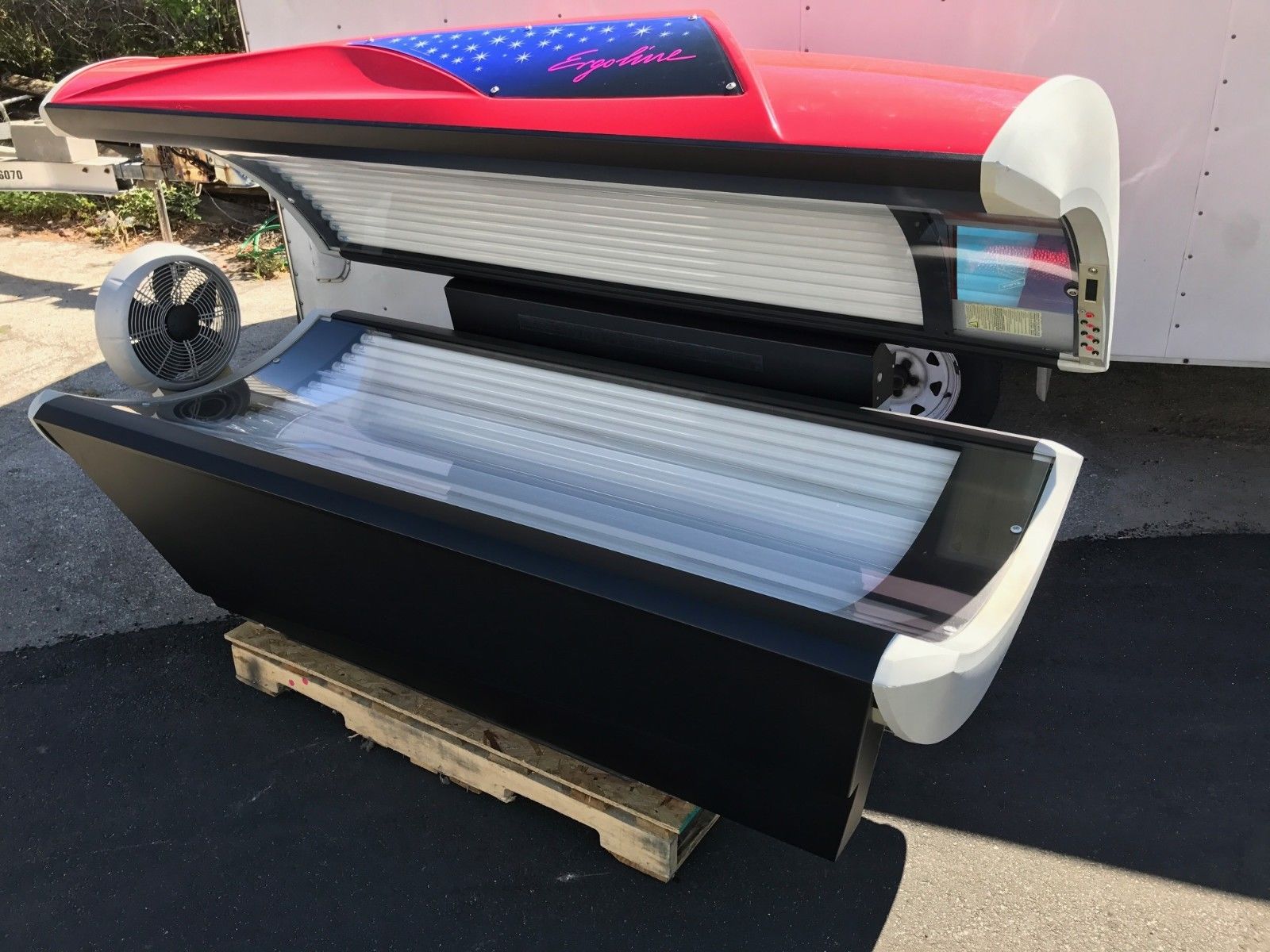
Many people notice their skin looks pale, dull, or uneven, but they do not always know the reason. Often, the issue is a lack of consistent exposure to ultraviolet light for tanning. When the skin does not receive enough UV stimulation, melanin production decreases, which affects skin tone.
Tanning beds provide controlled tanning lights that help stimulate melanin and improve skin color gradually. In this article, you will learn the common signs that your skin may need tanning bed radiation, how tanning beds work, and how often you should use them based on your skin tone.
Understanding Tanning Bed Radiation
Tanning beds use specialized tanning light bulbs that produce controlled ultraviolet rays. These rays stimulate melanin in the skin, which helps create a darker skin tone.
Most tanning lights emit a combination of UVA and UVB radiation. UVA rays help darken the skin, while UVB rays help trigger melanin production. Because tanning beds provide consistent light exposure, they allow users to achieve more even tanning results than natural sunlight in some cases.
Signs Your Skin May Need Tanning Bed Radiation
Recognizing these signs can help you decide when controlled tanning sessions may benefit your skin and improve your overall tanning results.
Very Pale or Uneven Skin Tone
Skin may appear very pale, dull, or uneven if it does not get enough sunlight. Lack of UV exposure reduces melanin production, causing some areas to look lighter while others may be slightly darker, which makes the skin appear patchy or tired.
Results after using tanning beds: Controlled UV exposure stimulates melanin production gradually, helping even out skin tone, giving a warmer and more natural appearance across the entire body.
Difficulty Getting a Natural Tan
Even after spending hours outdoors, some people find it hard to develop a noticeable tan. This can happen due to inconsistent sunlight, cloudy weather, or naturally slow tanning skin types.
Results after using tanning beds: Steady UV light from tanning beds penetrates the skin uniformly, allowing melanin to activate evenly, which produces a consistent, gradual tan that is more noticeable than irregular outdoor tanning.
Skin Looks Dull or Lacks Glow
When skin is not exposed to UV light, it can appear flat, lifeless, or washed out. This is common in winter or for people who spend most of their time indoors. Reduced melanin production can make skin look less vibrant and healthy.
Results after using tanning beds: A few controlled tanning sessions help the skin regain warmth and glow. Increased melanin gives the skin a brighter, healthier appearance, improving overall radiance.
Preparing Skin for Sun Exposure
Untanned skin is more susceptible to sunburn, especially during vacations or extended outdoor exposure. Sudden UV exposure can cause redness, irritation, and uneven tanning.
Results after using tanning beds: Gradual tanning sessions build a base tan, preparing the skin to handle natural sunlight better, reducing the risk of burns, and ensuring a more even tan outdoors.
Seasonal Lack of Sunlight
During winter or in regions with limited sunlight, the skin tone naturally fades. People often notice their skin looks lighter, paler, or uneven during these months.
Results after using tanning beds: Regular tanning sessions maintain melanin activity, keeping skin tone consistent, balanced, and natural-looking, even when sunlight is scarce.
Uneven Tan Lines
Tanning outdoors can result in patchy tan lines, especially where clothing or body posture blocks sunlight. Uneven exposure can leave some areas significantly lighter than others.
Results after using tanning beds: Controlled UV exposure ensures the entire body receives balanced light, helping produce smooth, even tanning results across all areas.
Skin Appears Washed Out in Photos
Bright lights or camera flashes can make pale skin look even lighter, dull, or unnatural. This is often frustrating before events, photoshoots, or vacations.
Results after using tanning beds: Gradual tanning adds warmth and depth to the skin tone, making it appear healthier and more vibrant in photographs.
Slow Tanning Results Outdoors
Some individuals spend long periods in the sun but notice minimal change in skin color. This often happens due to inconsistent UV exposure, cloudy weather, or low-intensity sunlight.
Results after using tanning beds: Tanning beds provide consistent ultraviolet light for tanning, which encourages melanin activation evenly across the skin, producing faster and more visible tanning results.
Preparing for Special Events
People often want their skin to look even and natural before weddings, vacations, photoshoots, or special occasions. Pale or uneven skin can impact confidence and appearance.
Results after using tanning beds: Controlled sessions prior to the event help achieve a smoother, natural-looking tan that enhances skin tone and gives confidence in appearance.
Skin Tone Fades Quickly
Skin naturally sheds and renews cells, which can gradually fade a tan. Reduced outdoor UV exposure accelerates this process, leaving skin lighter and less vibrant.
Results after using tanning beds: Regular tanning sessions maintain melanin levels, keeping skin tone consistent, long-lasting, and healthy-looking over time.
How Often Should You Use a Tanning Bed Based on Skin Tone?
The amount of tanning bed radiation your skin needs depends largely on your natural skin tone. Different skin types react differently to UV exposure.
Fair Skin Tone
- Fair skin usually burns easily and tans slowly. Because of this, people with fair skin should start with short sessions.
- Most experts recommend 1–2 sessions per week while gradually increasing exposure if the skin responds well.
Light to Medium Skin Tone
- Light to medium skin tones generally tolerate UV exposure better than very fair skin.
- For these skin types, 2–3 tanning sessions per week are usually enough to build and maintain an even tan.
Medium to Olive Skin Tone
- Medium or olive skin tones contain more natural melanin, which helps them tan faster.
- Because of this, 2–3 sessions per week are usually enough to maintain a balanced skin tone.
Darker Skin Tone
- Darker skin tones already contain higher melanin levels and usually tan quickly.
- For maintenance, 1–2 sessions per week are typically enough to maintain skin color.
Important Tip: Always allow 24 to 48 hours between tanning sessions so the skin has time to recover. This helps reduce the risk of overexposure and keeps tanning safer.
Benefits of Controlled Tanning Bed Sessions
Using a tanning bed responsibly can provide several benefits.
- First, controlled tanning sessions help develop a more even skin tone. Because the tanning light bulbs provide consistent UV exposure, the skin receives balanced light during each session.
- Second, beds can save time compared to outdoor tanning. Natural sunlight can be unpredictable, while beds provide steady lighting conditions.
- Finally, controlled sessions make it easier to maintain a consistent skin tone throughout the year.
When to Avoid Tanning Bed Radiation
Certain situations require avoiding tanning beds completely. People with extremely sensitive skin may experience irritation from UV exposure. Individuals with certain skin conditions should also consult a medical professional before tanning.
In addition, beds should not be used immediately after a sunburn because the skin needs time to heal.
Equipment That Affects Tanning Results
Tanning results depend heavily on the condition of the equipment. High-quality tanning bed bulbs help provide strong and consistent UV output. Weak or old bulbs may reduce tanning effectiveness.
Clean acrylic shields also allow UV light to pass through properly. Dirt or yellowing acrylic can reduce UV transmission. Maintaining your tanning equipment ensures safer and more effective tanning sessions.
Safety Tips Before Using
Although tanning beds can help improve skin tone, safety should always come first.
- Start with short sessions and increase exposure gradually. Always wear protective eyewear to protect your eyes from UV rays.
- In addition, avoid overexposure to ultraviolet radiation. Excessive tanning can cause skin irritation and long-term damage.
- Finally, make sure the bed equipment is properly maintained. Clean acrylic shields, functioning bulbs, and well-maintained tanning lights all help ensure safer tanning sessions.
Maintain Your Tanning Equipment for Better Results
Recognizing when your skin may benefit from controlled tanning helps you achieve more balanced results. However, the quality of your tanning equipment also plays an important role.
Properly working tanning lights, clean acrylic shields, and reliable components help maintain safe and effective tanning sessions.
For dependable tanning bed parts, replacement bulbs, and maintenance accessories, visit Sunal Parts, a trusted source for quality tanning equipment solutions.
FAQs:
How often should I use a tanning bed?
Most people use tanning beds 1–3 times per week, depending on their skin tone and tanning goals.
Can tanning beds help improve uneven skin tone?
Controlled tanning sessions may help create a more balanced skin tone by stimulating melanin evenly.
Do tanning beds work faster than natural sunlight?
Yes. Tanning beds use concentrated ultraviolet light for tanning, which often produces results faster than natural sunlight.
Can tanning beds be used year-round?
Yes. Many people use beds during the winter months when natural sunlight exposure is limited.
What affects tanning bed results the most?
The most important factors include skin type, session frequency, and the quality of tanning bed bulbs and tanning equipment.