

 800-667-9189

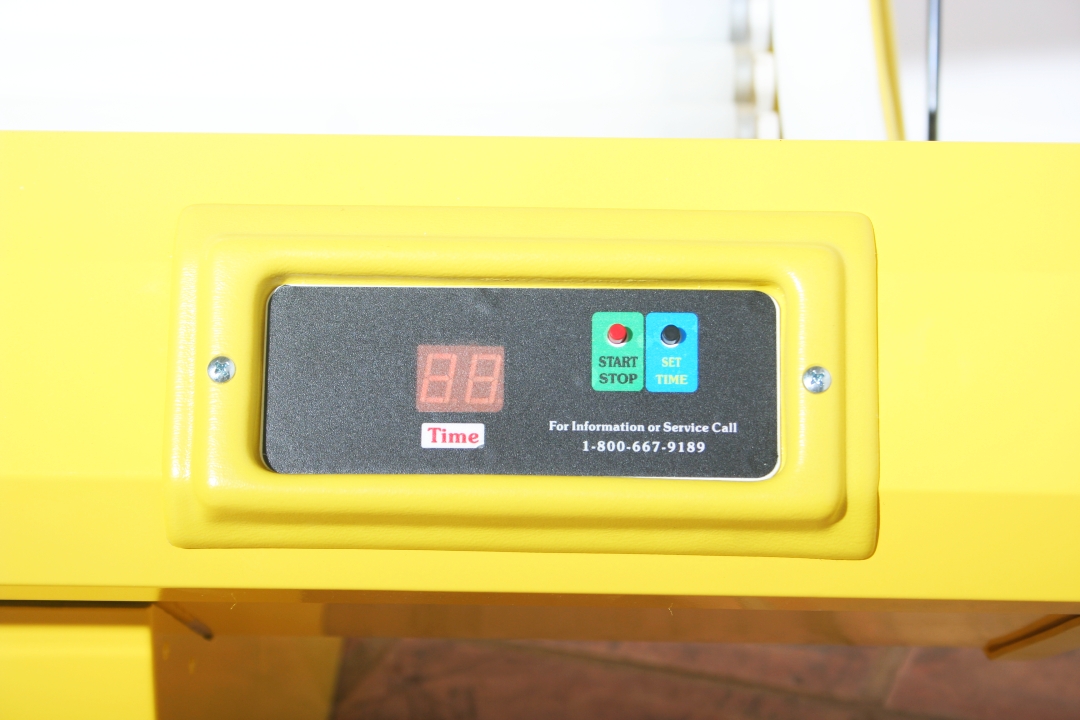
A malfunctioning tanning bed timer can ruin your session and even pose safety risks.” When the tanning bed timer stops working, you lose control over exposure time. As a result, you risk under-tanning or overexposure. Because proper tanning bed times protect your skin, a working timer is essential for safe tanning. In addition, timer issues are one of the most common tanning bed timer problems in home tanning beds.
This quick guide explains the causes of tanning bed electrical problems and shows you step-by-step how to fix them safely at home using reliable replacement parts from Sunal Parts.
Understand Tanning Bed Timers Work
A tanning bed timer controls how long the lamps stay on. In simple terms, it manages the session length and shuts the system off automatically.
There are two main types of timers:
- Mechanical timers – These use physical dials and switches.
- Digital timers – These use electronic boards and display screens.
Both types regulate average tanning bed time, which usually ranges between 8 and 15 minutes, depending on skin type and lamp strength. Moreover, the timer connects to electrical parts like fuses, starters, relays, and ballasts. Therefore, when the electrical flow breaks, the timer may stop working.
Common Reasons Your Timer Stops Working
Most tanning bed timer problems come from simple electrical faults. Below are the main causes explained clearly:
Blown Fuse or Tripped Breaker
A blown fuse or tripped breaker immediately cuts power to the tanning bed timer. As a result, the display may go blank, or the timer may not respond at all. This issue often happens after a power surge or electrical overload.
Loose or Damaged Wiring
Loose, burnt, or disconnected wires can interrupt the signal between the timer and the electrical system. Consequently, the timer may start and stop randomly or fail completely. Regular inspection helps prevent this issue.
Faulty Timer Unit or Digital Control Board
Over time, the internal timer mechanism or digital board can wear out. Therefore, the timer may freeze, reset unexpectedly, or fail to control proper tanning bed times. Electrical component aging is a common cause in older units.
Worn-Out Buttons or Switches
Frequent use can cause buttons and switches to lose responsiveness. In this case, pressing the timer may not activate the system properly. Replacing worn switches usually resolves the problem quickly.
Power Surges or Voltage Fluctuations
Sudden voltage spikes can damage sensitive electronic circuits inside the timer. As a result, the unit may malfunction or stop working entirely. Installing proper surge protection reduces this risk.
Step-by-Step Troubleshooting
Before starting, disconnect the power completely for safety.
Step 1: First, check the power supply. Make sure the outlet, cord, and circuit are working properly.
Step 2: Next, reset the breaker or replace a blown fuse. Many tanning bed electrical problems stop here.
Step 3: Then, inspect the timer and wiring connections. Look for loose screws, burnt wires, or melted components.
Step 4: After that, test the unit with another compatible timer if possible. This step confirms whether the timer itself has failed.
Finally, replace the timer or damaged components carefully. Always match the correct voltage and specifications for your home tanning beds.
Signs You Should Call a Technician
Although many tanning bed timer problems are easy to fix, some situations require professional help. Electrical safety should always come first.
1. Sparks, Burning Smell, or Smoke
If you see sparks, smell something burning, or notice smoke coming from the unit, turn off the power immediately. These signs usually indicate serious tanning bed electrical problems, such as short circuits or overheated wires. Continuing to use the bed can cause further damage or fire risk.
2. Repeated Digital Board Errors
If the digital control board shows error codes, freezes, or resets repeatedly, the internal electronics may be damaged. In this case, replacing or repairing the board requires technical knowledge and proper tools. A licensed technician can safely diagnose and fix the issue.
- High-Voltage Wiring Concerns
If you feel unsure about handling wires, connectors, or internal components, avoid DIY repairs. High-voltage systems inside home tanning beds can cause serious injury if handled incorrectly. Professional assistance ensures safe and correct troubleshooting.
Preventive Maintenance Tips
Regular care reduces future bed timer problems.
- Inspect timers and wiring monthly.
- Keep vents and panels clean from dust.
- Avoid moisture near electronic controls.
- Track lamp hours to avoid system overload.
Because stable power flow protects your time, routine maintenance extends the life of your home tanning beds.
Recommended Replacement Parts
High-quality replacement parts prevent repeat failures. Cheap timers may fail quickly, while durable components provide stable performance and accurate tanning bed times.
Reliable suppliers like Sunal Parts offer tested timers, fuses, switches, and electrical components for safe operation.
Investing in proper tanning bed replacement parts protects both performance and user safety.
FAQs:
1. What is the average tanning bed time for a session?
The average time usually ranges between 8 and 15 minutes, depending on your skin type, lamp strength, and bed model. Always follow recommended tanning bed times to avoid overexposure.
2. Why is my tanning bed timer not counting down?
If your tanning bed timer is not counting down, the cause may be a blown fuse, loose wiring, a faulty timer unit, or internal tanning bed electrical problems. Inspect power connections before replacing the timer.
3. Can I fix tanning bed timer problems at home?
Yes, many tanning bed timer problems can be fixed at home by checking the breaker, replacing a fuse, inspecting wiring, or installing a new. However, always disconnect power before starting repairs.
4. How do I know if my tanning bed timer needs replacement?
If the timer freezes, resets repeatedly, fails to control proper tanning bed times, or shows digital errors, replacement may be necessary. Consistent malfunction often indicates internal component failure.
5. Are timer issues common in home tanning beds?
Yes, timer issues are common in home tanning beds, especially after power surges or long-term use. Regular inspection and quality replacement parts help prevent recurring tanning bed timer problems.
Stay Safe and Keep Your Tanning Bed Performing at Its Best
Most tanning bed timer problems have simple causes and quick fixes. By checking power connections, inspecting wiring, and replacing faulty parts, you can restore safe operation in minutes.
Regular maintenance, correct average tanning bed time settings, and quality components keep your unit running efficiently. For reliable timer replacements and electrical parts, explore trusted options at Sunal Parts to keep your tanning sessions safe and consistent.