

 800-667-9189

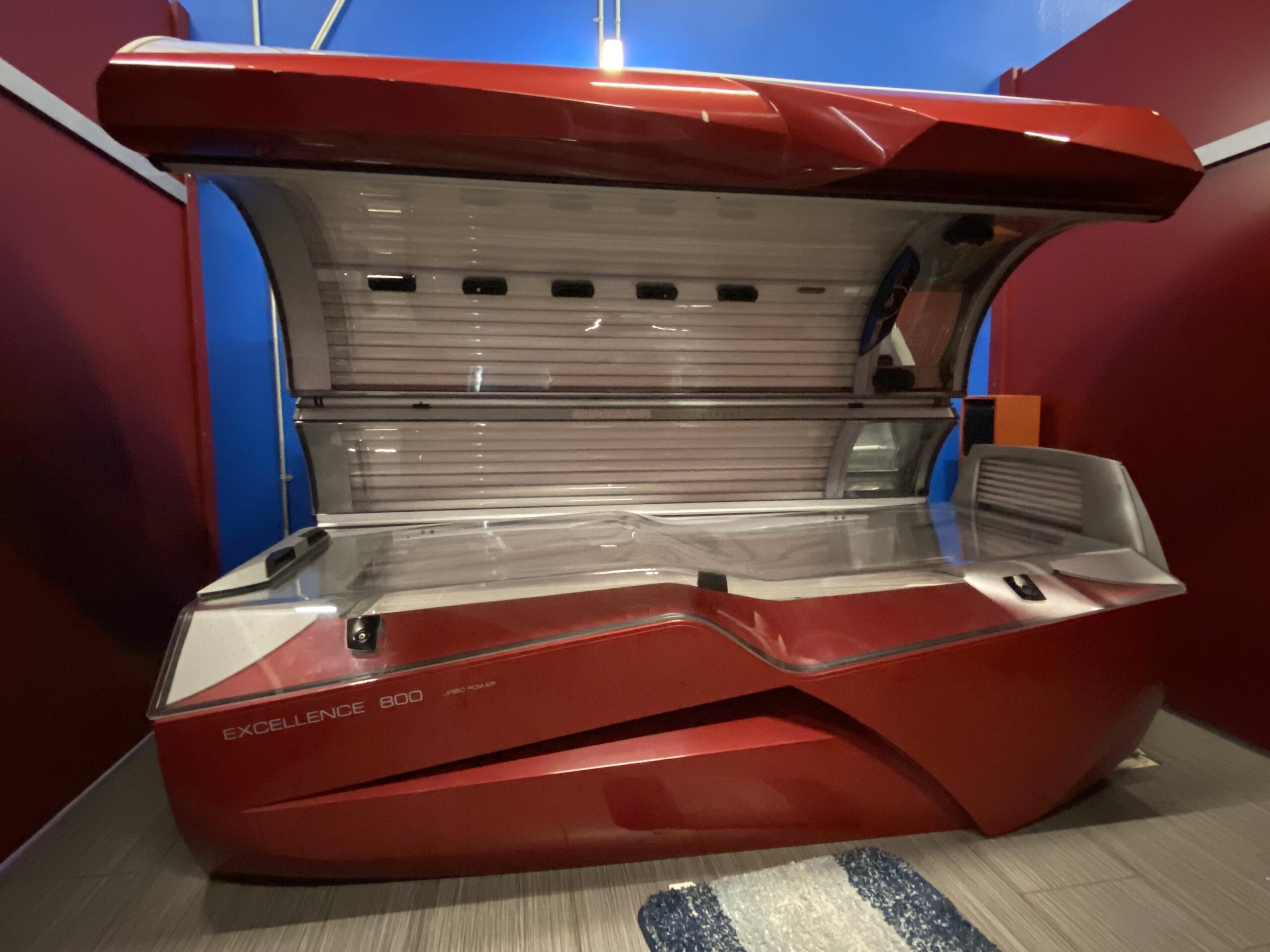
Many people wonder whether tanning bed radiation changes with the seasons, just like natural sunlight does. The simple answer is no, tanning bed radiation does not depend on the season because it is produced through controlled UV lamps inside the equipment, which deliver consistent output regardless of weather or time of year.
At Sunal Parts, we focus on providing reliable tanning bed components that ensure stable performance and safe operation throughout the year. This helps salon owners maintain consistent tanning results for their clients in every season.
Tanning Bed Radiation Explained
Tanning bed radiation refers to the controlled ultraviolet (UV) light produced by special lamps inside a tanning bed. This UV light is designed to simulate natural sunlight and helps stimulate melanin production in the skin, which is responsible for the tanning effect. Unlike natural sun exposure, tanning bed radiation is carefully regulated to provide consistent and predictable results in a controlled indoor environment.
Types of UV Radiation in Tanning Beds
- UVA Rays: Responsible for immediate skin darkening and giving quick tanning results
- UVB Rays: Help stimulate deeper melanin production for longer-lasting tanning effects
How Natural Sunlight Changes with Seasons (and Why People Get Confused)
Summer Sunlight
In summer, natural sunlight is stronger because the sun is higher in the sky. UV levels increase, which leads to faster tanning outdoors.
Winter Sunlight
In winter, sunlight is weaker, days are shorter, and UV exposure is reduced. This makes tanning slower in natural conditions.
This difference is why many people assume tanning beds also change with the seasons.
What Really Controls UV Output in a Tanning Bed?
The UV output of a tanning bed depends mainly on its internal components and maintenance condition rather than external factors like seasons. Proper care and quality parts are essential to ensure consistent and effective tanning results.
UV Lamps Condition
UV lamps are the primary source of tanning radiation, so their condition plays the biggest role in performance. Old or weak lamps lose intensity over time, which results in reduced UV output and uneven tanning results. Regular replacement ensures stable and effective tanning performance.
Acrylic Sheet Quality
The acrylic sheet acts as a protective barrier while allowing UV light to pass through. If it becomes dirty, scratched, or damaged, it can block or weaken UV transmission. This directly affects tanning quality and can lead to inconsistent results across the body.
Maintenance Level
Proper cleaning and regular servicing are essential for maintaining UV efficiency. Dust buildup, residue, or neglecting maintenance can reduce light reflection and overall performance. Well-maintained equipment always delivers more consistent and reliable tanning results.
Electrical Stability
A stable electrical system ensures that UV lamps receive consistent power. If there are voltage fluctuations or faulty components, it can slightly affect UV output and reduce overall efficiency. Proper electrical maintenance helps keep the tanning bed running smoothly and safely.
Do Seasons Affect Tanning Bed Environment?
Seasonal changes can affect the overall comfort and feel inside a tanning salon, but they do not impact the actual UV output of the tanning bed. The equipment continues to work at a consistent level regardless of external weather conditions.
Summer Conditions
- The room temperature may feel hotter
- Users may sweat more easily
- Comfort level can change, but UV stays the same
In summer, higher temperatures can make the salon environment feel warmer and slightly less comfortable during sessions. However, this is only related to room conditions, not the tanning bed’s UV performance, which remains stable.
Winter Conditions
- The room feels cooler
- Skin may feel drier
- Tanning comfort improves, but UV output remains unchanged
In winter, cooler air makes the environment more comfortable for many users, and dry skin may slightly change how tanning feels. Still, the tanning bed continues to deliver the same UV intensity as in any other season.
Why People Think Results Change in Different Seasons
- In summer, skin is already slightly exposed to sunlight
- In winter, skin is paler and may react differently
- Clothing habits and skin condition change
- Salon usage frequency may increase in winter
These factors affect appearance, not actual UV radiation.
Seasonal Tips for Better Tanning Results
Seasonal changes can influence skin condition and comfort levels during tanning sessions, even though the tanning bed’s UV output remains constant throughout the year. Adjusting skincare and maintenance habits according to the season helps achieve more even, comfortable, and effective tanning results.
Summer Care
In summer, higher temperatures and increased sweating can affect comfort during tanning sessions, so proper skin care becomes more important. Keeping the skin well-hydrated helps maintain an even tanning response, while avoiding overexposure before sessions reduces the risk of irritation. Since sweat can build up on surfaces, cleaning the acrylic more frequently ensures better UV transmission and consistent results.
Winter Care
During winter, the skin tends to become drier, which can affect how evenly it absorbs UV light, so proper moisturization is essential before each session. Allowing the body to warm up slightly before tanning improves comfort and skin response. It is also important to ensure that lamps are fully functional and delivering proper UV output to maintain effective tanning results in colder conditions.
Maintenance Matters More Than Seasons
Instead of focusing on the weather, salon owners should focus on:
- Regular lamp replacement
- Cleaning acrylic surfaces
- Checking equipment performance
- Ensuring proper ventilation
These factors directly affect tanning results far more than seasonal changes.
FAQs:
1. Does room temperature affect tanning bed performance?
Room temperature may affect comfort, but it does not change the UV radiation output of the tanning bed.
2. Can old lamps reduce UV radiation?
Yes, worn-out or old UV lamps can reduce output and lead to weaker or uneven tanning results.
3. How can I maintain consistent tanning results all year?
Regular maintenance, timely lamp replacement, and clean acrylic sheets help ensure consistent performance.
4. Is tanning bed radiation safe in all seasons?
Yes, tanning beds are designed to provide controlled UV exposure, but safe usage guidelines should always be followed.
5. Do salons need to adjust tanning beds for different seasons?
No seasonal adjustment is needed, but regular maintenance is important to keep performance stable year-round.
Consistent Tanning Performance All Year Round
Tanning bed radiation remains stable throughout the year because it is produced through controlled artificial UV technology rather than natural sunlight. This means seasonal changes do not affect the actual UV output, although they can influence skin condition and comfort levels during sessions. With proper equipment maintenance, tanning beds can deliver consistent and reliable results in every season without variation in performance.
For reliable tanning bed parts and long-lasting performance, Sunal Parts is your trusted choice for quality and consistency.