

 800-667-9189

A tanning bed depends on several electrical parts to work properly, and one of the most important components is the starter. When starters fail, the lamps may flicker, stop working, or take too long to turn on. Because of this, understanding common starter problems helps you maintain safe and effective tanning sessions.
This guide explains the most common issues with tanning bed starters, their causes, and simple ways to fix them. By learning these signs early, you can prevent bigger equipment problems and keep your tanning bed running smoothly.
What Is a Tanning Bed Starter?
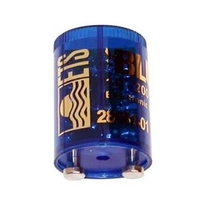
A tanning bed starter is a small electrical component that helps start the tanning lamps. It sends the initial electrical pulse needed for the lamp to ignite and begin producing ultraviolet light.
Most fluorescent tanning lamps require a starter to activate the lamp properly. When the starter functions correctly, the lamp turns on quickly and maintains stable performance. However, when it becomes faulty or worn out, it can cause several issues with your tanning bed lights.
Signs of a Faulty Tanning Bed Starter
Recognizing early signs of a bad starter helps prevent further damage to your equipment.
Lamps Flicker Before Turning On
Flickering lamps are one of the most common signs of a starter problem. If your tanning lights blink several times before turning on, the starter may struggle to ignite the lamp.
Lamps Fail to Turn On
Sometimes the lamps may not turn on at all. In many cases, the problem is not the lamp but a worn or damaged tanning bed starter.
Lamps Turn Off Quickly
If your tanning lamps turn on and then shut off shortly after, the starter may not be able to maintain a stable electrical flow.
Slow Lamp Start
Healthy lamps usually start within seconds. However, if the lamps take much longer than usual to light up, the starter may be weakening.
Common Tanning Bed Starter Problems and How to Fix Them
Learn about the most common tanning bed starter issues, their possible causes, and simple troubleshooting steps to get your tanning bed working properly again.
Normal Wear and Tear
Tanning bed starters slowly wear out with regular use. Since the starter sends the electrical pulse that ignites the lamp, its internal parts weaken over time. Because of this, lamps may flicker, start slowly, or fail to turn on.
How to fix it: Replace the worn starter with a new compatible one. A fresh starter restores proper lamp ignition and improves overall tanning bed performance. Regular replacement also helps prevent unexpected lamp failures.
Poor Electrical Connections
Loose wiring or weak electrical contact can interrupt the voltage reaching the starter. As a result, tanning lamps may flicker or fail to start properly.
How to fix it: Inspect all wiring around the starter and lamps. Tighten loose connections and ensure all wires are secure. Proper electrical flow allows the starter to ignite the lamps efficiently.
Overheating
Excess heat inside the tanning bed can damage starters and other electrical components. Dust buildup, blocked vents, or poor airflow usually cause this problem.
How to fix it: Clean the lamp area and remove dust or debris that may block ventilation. Maintaining proper airflow reduces heat and protects the starter from damage.
Using Incorrect Starters
Each tanning bed model requires a specific starter type. Installing the wrong starter can cause poor lamp performance, frequent flickering, or repeated failures.
How to fix it: Always choose starters designed for your tanning bed model. Compatible parts ensure the lamps receive the correct electrical support and operate smoothly.
Damaged or Old Tanning Lamps
Sometimes the problem is not the starter but the lamps themselves. Old or damaged lamps may struggle to ignite, which puts extra stress on the starter.
How to fix it: Inspect the lamps regularly and replace worn ones when needed. New lamps reduce the load on the starter and help maintain consistent tanning light output.
Dust and Dirt Buildup
Dust and debris can accumulate around starters and lamp sockets. This buildup may block electrical contact or cause overheating, which affects starter performance.
How to fix it: Clean the inside of the tanning bed regularly. Removing dust from lamp sockets and electrical areas helps the starter work properly and prevents overheating.
Faulty Lamp Holders
Lamp holders secure the tanning lamps and provide electrical contact. If these holders become loose or damaged, the starter may struggle to ignite the lamp.
How to fix it: Check the lamp holders and replace any that appear worn or damaged. Secure holders allow proper electrical contact and improve the reliability of the starter system.
When to Replace the Starter
A tanning bed starter should be replaced if:
- Lamps flicker frequently
- Lamps fail to start consistently
- Starters show signs of heat damage
- The tanning bed lights become unreliable
Regular inspection helps detect these issues early and prevents unnecessary lamp replacements.
Tips to Prevent Starter Problems
Proper maintenance can reduce starter failures and extend equipment life. First, clean the inside of the tanning bed regularly to prevent dust buildup. Second, ensure electrical connections remain secure and undamaged. Finally, replace worn starters promptly to avoid damaging your tanning lamps.
These simple steps help maintain consistent tanning performance.
Keep Your Tanning Bed Running Smoothly
Tanning bed starters play a key role in starting and stabilizing your tanning lamps. When starters fail, the lamps may flicker, start slowly, or stop working completely. Recognizing these signs early helps you avoid larger equipment issues. Regular maintenance, proper cleaning, and timely replacement of starters keep your tanning bed operating efficiently.
For reliable tanning bed starters, replacement parts, and maintenance accessories, visit Sunal Parts, a trusted source for high-quality tanning equipment components.
FAQs:
1. What does a tanning bed starter do?
A tanning bed starter helps activate the tanning lamps by delivering the initial electrical pulse needed to start the light.
2. How do I know if my tanning bed starter is bad?
Common signs include flickering lamps, lamps failing to turn on, slow lamp startup, or lamps shutting off quickly.
3. Can I replace a tanning bed starter myself?
Yes. Most starters are easy to replace. However, always unplug the tanning bed and follow proper safety steps before working on electrical components.
4. How long do tanning bed starters last?
The lifespan varies depending on usage, but starters typically last several hundred hours before needing replacement.
5. Where can I buy reliable tanning bed starters?
You can find high-quality starters and tanning bed replacement parts at Sunal Parts, which offers dependable equipment components.